
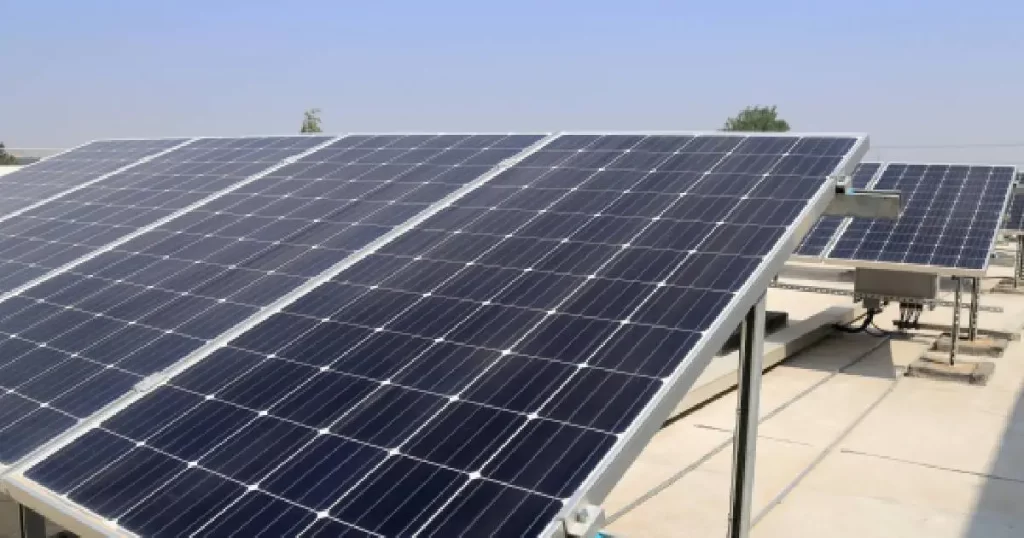
As we step into a more energy-conscious era, solar water heaters continue to transform how households and commercial spaces access warm water sustainably. With rapid innovation shaping the renewable energy industry, the latest technological advancements in solar water heaters for 2025 promise better efficiency, performance, and long-term reliability. This blog explores the game-changing features redefining these systems and why switching to modern solar water heaters is smarter than ever.
One of the most significant trends in 2025 is the rise of AI-powered solar water heaters. These advanced systems use artificial intelligence to analyse weather patterns, hot water usage habits, and energy consumption. With AI integration, solar water heaters can automatically adjust heating cycles, store optimal amounts of hot water, and reduce energy wastage, offering superior efficiency compared to traditional systems.
Another innovation improving solar water heaters is the development of ultra-high efficiency evacuated tubes and flat-plate collectors. In 2025, manufacturers are using improved selective coatings and enhanced vacuum insulation to ensure that solar water heaters absorb more sunlight even in colder or cloudy regions. These advanced collectors guarantee faster heating and maintain higher temperatures for longer.
To meet the growing demand for durability, modern solar water heaters now feature corrosion-resistant materials such as titanium-coated tanks and glass-lined inner surfaces. These materials significantly increase the lifespan of solar water heaters, reduce maintenance requirements, and ensure consistent performance across varying climatic conditions.
Smart home integration is another breakthrough shaping solar water heaters in 2025. Many new models come equipped with IoT-enabled controllers that allow users to monitor water temperature, adjust settings, and track energy savings through mobile apps. This seamless connectivity ensures solar water heaters deliver convenience and better control for tech-savvy households.
Hybrid technology is also elevating the performance of solar water heaters. These systems combine solar energy with auxiliary electric or heat pump backup, ensuring an uninterrupted hot water supply regardless of weather conditions. With hybrid configurations, solar water heaters achieve a perfect balance between sustainability and reliability.
In 2025, thermal battery storage has become a breakthrough addition to solar water heaters. Instead of relying solely on traditional tanks, thermal batteries allow water to be stored at higher temperatures for longer durations. This feature boosts the efficiency of solar water heaters and ensures hot water availability during nighttime or low-sunlight hours.
Another major enhancement is the use of automated frost protection in solar water heaters. This technology prevents pipes and collectors from freezing in colder regions, reducing repair costs and prolonging system life. With built-in sensors and automatic heating mechanisms, modern solar water heaters are more adaptable to extreme weather conditions.
Eco-friendly refrigerants are also redefining indirect/closed-loop solar water heaters. In 2025, many systems are shifting to low-GWP (Global Warming Potential) fluids to improve heat transfer efficiency while minimizing environmental impact. This makes solar water heaters greener, safer, and more sustainable for long-term use.
Manufacturers are also focusing on modular, easy-to-install designs for solar water heaters. New systems come with simplified mounting structures, pre-assembled collector units, and plug-and-play controllers. This user-friendly approach ensures that solar water heaters can be installed quickly, even on smaller rooftops or compact spaces.
Looking ahead, the future of solar water heaters is brighter than ever. With AI automation, IoT connectivity, hybrid heating, thermal battery storage, and ultra-durable materials, the latest 2025 systems are designed to deliver unmatched efficiency and convenience. As more households adopt modern solar water heaters, they move closer to reducing energy bills, lowering carbon footprints, and achieving sustainable living.